Winston Landscaping Services experts
Boost Your Curb Appeal: How Expert Landscaping Services Can Transform Your Property
Curb appeal greatly influences the value of a property. Skilled landscaping professionals can effectively enhance this attractiveness through thoughtful design and plant selection. By crafting appealing outdoor areas, these specialists add both visual appeal and functional purpose. Homeowners may wonder what essential features to include or how valuable guide to choose the right service. Grasping these important aspects can lead to significant improvements. The journey to a more appealing property begins with informed decisions.
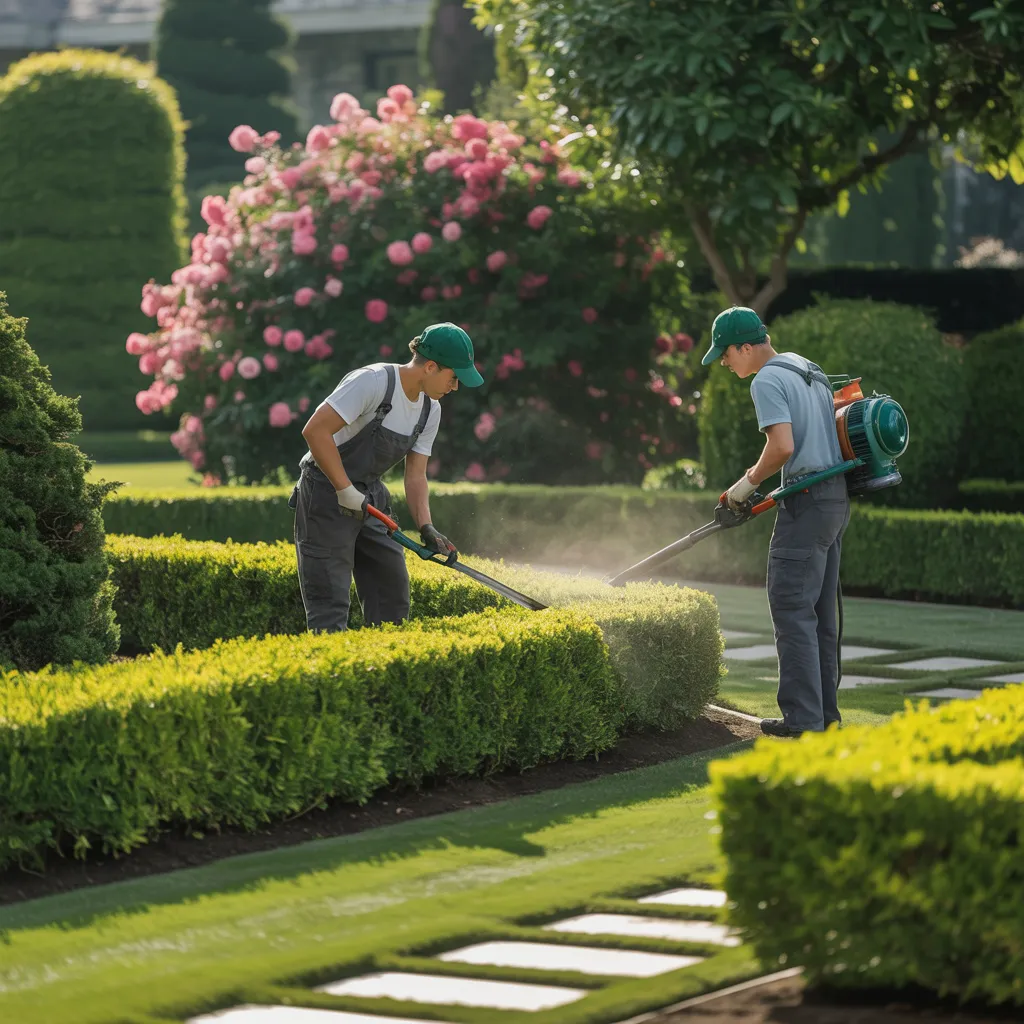
How Curb Appeal Influences Property Value
Curb appeal functions as the primary impression of a property, greatly influencing its market value. A carefully maintained exterior draws in prospective buyers, often leading to faster sales and better offers. Properties with inviting landscaping, fresh paint, and tidy walkways convey a feeling of warmth and care, indicating that the inside of the home may be equally cared for. In contrast, failing to maintain curb appeal can deter interest, causing buyers to question the overall condition of the home.
Evidence demonstrates that residences with strong curb appeal can command a price increase of up to 10% when measured against comparable properties with minimal exterior appeal. Features including lush floral arrangements, manicured lawns, and inviting doorways contribute significantly to this effect. Ultimately, dedicating resources to exterior aesthetics can yield substantial financial returns, making it a critical consideration for both property owners and real estate professionals when gauging the overall value of a home.
Essential Features of Effective Landscaping Design
Successful landscaping design integrates several essential features that enhance both functionality and aesthetic appeal. A well-thought-out layout, strategic plant selection, and sustainable water management are fundamental components that support a vibrant and productive outdoor area. These components work together to create a harmonious environment that serves the interests of both property owners and the natural environment.
Functional Layout Design
A thoughtfully structured layout is vital for accomplishing a harmonious and functional landscape design. Successful landscaping integrates pathways, seating areas, and focal points that direct movement and improve usability. The design should equilibrate open spaces with purposeful zones, enabling both relaxation and social interaction. Integrating features such as gardens, water elements, and lighting can create visual interest while serving practical purposes. Additionally, accounting for the scale and proportions of elements ensures that they harmonize with the architecture of the property. An efficient layout also considers maintenance demands, making it more manageable to tend to the landscape over time. At its core, a deliberately planned layout improves the property's aesthetic appeal while enhancing its functionality for regular use.
Plant Selection Approach
Picking the correct plants is vital for establishing a landscape that is both beautiful and sustainable. A thoughtful plant selection process considers environmental factors, soil quality, and the particular attributes of the location. Indigenous plants are frequently recommended due to their adaptability and low maintenance requirements. Furthermore, integrating diverse plant species ensures seasonal interest and resilience against pests and diseases. Experts suggest grouping plants based on their water and sunlight needs, creating a harmonious and efficient ecosystem. Additionally, taking into account the size and development patterns of plants minimizes the risk of overcrowding, enabling every plant to flourish. Ultimately, thoughtful plant selection elevates the landscape's appearance while contributing to biodiversity and ecological sustainability.
Green Water Management
Establishing a yard that thrives while conserving resources necessitates a dedication to sustainable water management. This approach emphasizes the use of water-wise plants, which limit water usage while maintaining visual attractiveness. Well-planned landscaping design incorporates efficient irrigation systems, such as drip irrigation or rainwater harvesting, to guarantee that water is distributed directly to plant roots, decreasing waste. Furthermore, the integration of permeable surfaces allows rainwater to penetrate the ground, refilling local aquifers. Garden professionals can also implement mulch and soil amendments that boost moisture retention, further promoting sustainability. By focusing on these strategies, property owners not only boost their curb appeal but also advance environmental conservation, making sustainable water management an essential aspect of modern landscaping.
Budget-Friendly Landscaping Ideas
While maintaining a budget can be challenging, innovative landscaping ideas can dramatically improve any exterior space without spending a fortune. Straightforward strategies such as growing native plants and shrubs can enhance visual appeal while needing little ongoing care. Using mulch not only helps preserve moisture but also provides flower beds with a refined appearance. Hands-on projects, like building raised garden beds or crafting a gravel path, can bring distinctive charm at a fraction of the cost compared to hiring professionals.
Incorporating upcycled resources, such as weathered wood pallets or masonry bricks, can greatly enhance the garden area without substantial financial investment. Additionally, setting up solar-driven outdoor lights combines practicality with aesthetic appeal, setting a welcoming mood during outdoor evening occasions. As a final touch, consistent yard maintenance, including mowing and edging, can greatly improve the home's visual charm, making any household more attractive. By applying these affordable strategies, homeowners can establish an impressive outdoor setting that embodies their individual preferences and boosts their home's worth.
Choosing the Right Landscaping Service for You
Identifying the best landscaping service begins with a clear assessment of specific landscaping needs. By understanding particular requirements, clients can effectively compare the service options of different companies. This careful evaluation guarantees that the selected service matches with both expectations and budget.
Evaluate Your Landscaping Requirements
How can homeowners effectively assess their landscaping needs to find the right service? First, they must consider their property's unique features, such as size, terrain, and existing flora. Determining personal preferences and goals—whether the aim is to cultivate a peaceful garden, improve outdoor living areas, or increase curb appeal—is a critical step. Homeowners should also evaluate their budget and the level of maintenance they are willing to commit to. Gathering inspiration from local landscapes, magazines, or online resources can help clarify their vision. Moreover, reaching out to friends or community members with prior experience using landscaping services can yield meaningful and practical perspectives. Once homeowners have a thorough understanding of these elements, they can more effectively express their needs, making it easier to find a landscaping service that truly matches their expectations and personal lifestyle.
Compare Service Offerings
What factors should homeowners consider when comparing landscaping service offerings? To begin, they should assess the variety of services offered, including design, installation, and ongoing maintenance. Determining whether a company focuses on residential or commercial work can further inform their choices. Homeowners should compare pricing structures, ensuring transparency in quotes and potential additional costs. Moreover, exploring customer feedback and project galleries can shed light on the caliber of work and client contentment. It is essential to inquire about the experience and qualifications of the staff, as well as the availability of sustainable practices. Finally, evaluating the company's communication and responsiveness can indicate how well they will address homeowner needs throughout the project.
Care for Your Landscape Like an Expert
Managing a landscape to a professional standard calls for a thoughtful approach that combines aesthetics and functionality. Routine maintenance routines, such as mowing, pruning, and mulching, are essential for elevating the curb appeal of the landscape. Professionals recommend establishing a seasonal maintenance plan to accommodate the specific needs of every plant and section within the landscape.
Irrigation schedules ought to be customized depending on the climate and type of plants, guaranteeing that the garden receives proper hydration while avoiding overwatering. Furthermore, pest and weed management is vital; opting for organic solutions helps preserve the environment while keeping plants healthy.
Soil health plays a significant role in preserving a lush and healthy landscape, necessitating periodic testing and amendments. Incorporating sustainable techniques, such as composting and using native plants, contributes to long-term sustainability. By following these principles, residents can establish a beautifully managed landscape that significantly improves the aesthetic value of their property.
How Improvements Enhance Property Value
Transforming a landscape goes beyond improving its appearance and also contributes substantially to increasing the value of a property. Carefully developed outdoor spaces capture the attention of potential homeowners, giving homes a competitive edge in the market. As supported by multiple studies houses with well-maintained landscaped gardens can achieve a value appreciation of 5% to 15%. This enhancement often results from improved aesthetics, functionality, and overall curb appeal.
Landscaping upgrades, like the addition of native plants, hardscape elements, or exterior living areas, create inviting environments that appeal to homebuyers. Furthermore, a well-maintained landscape minimizes maintenance expenditures and boosts energy conservation, drawing in environmentally aware buyers.
Investing in expert landscaping solutions not only yields quick visual enhancements but also functions as a smart strategy for lasting property value growth. At the core, the ideal landscaping choices can significantly impact a property's overall worth and appeal in a competitive market.
Frequently Asked Questions
What Is the Typical Duration of a Landscaping Project?
A standard landscaping project usually requires anywhere from one to four weeks to finish, subject to the scale and complexity of the work. Considerations including weather conditions, project scope, and resource availability may significantly impact the total timeline.
What Types of Plants Are Best for My Climate?
The ideal plant species for a given climate depend on local climate conditions, humidity, and soil quality. Locally adapted species tend to flourish, while water-efficient plants prove to be excellent for dry climates, promoting long-term sustainability and low upkeep.
Does Landscaping Have the Potential to Reduce Energy Bills for My Home?
Strategic landscaping can greatly reduce energy costs by carefully positioning trees and shrubs to create shade, deflecting wind and controlling temperature. This natural insulation decreases the need for heating and cooling systems, resulting in lower utility bills.
What Care Is Required Following Landscaping Installation?
After landscaping installation, regular maintenance includes watering, weeding, mulching, pruning, and fertilizing. Seasonal tasks, such as winter preparation and pest control, are also essential to guarantee the landscape continues to thrive and look its best.
Are Eco-Friendly Landscaping Options Offered?
There are eco-friendly landscaping options available. Such options encompass native plants, drought-resistant gardens, rain gardens, and organic mulch. Such options support biodiversity, conserve water, and limit chemical use, offering benefits to both the environment and the visual appeal of the property.